Tsavo East National Park Guide “Theatre of the Wild”
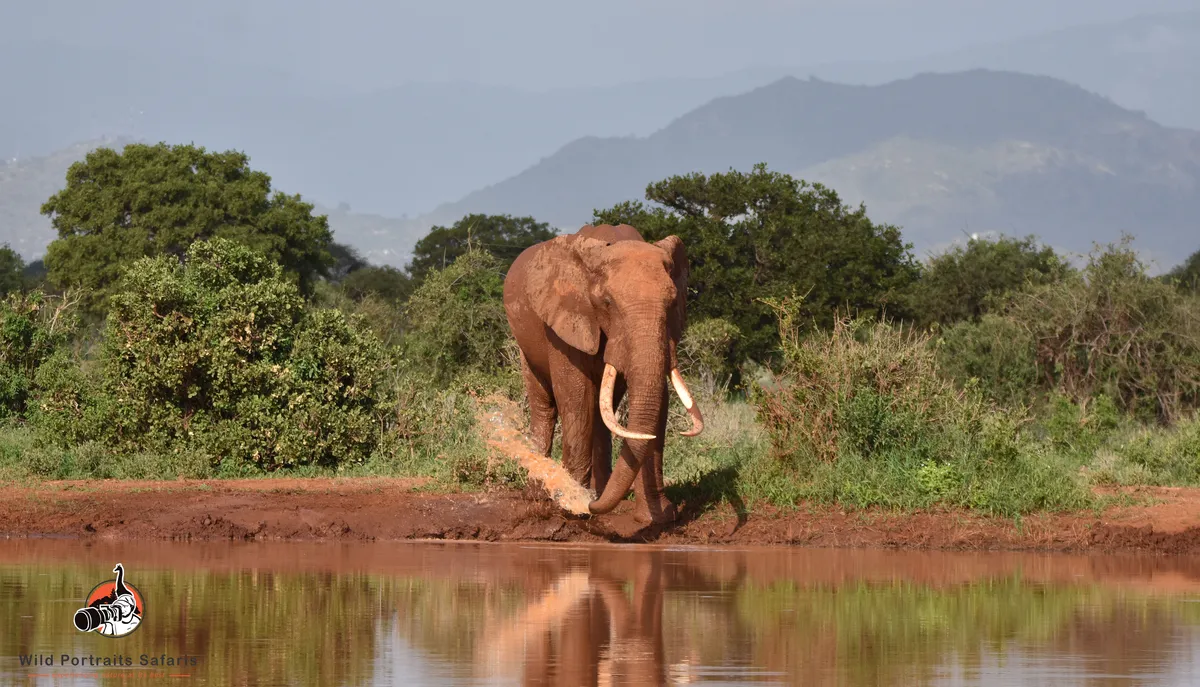
The sight of dust-red elephants wallowing, rolling and spraying each other with the midnight blue waters of the palm-shaded Galana River is one of the most evocative images in Africa
Tsavo East National Park Guide
Did you Know!
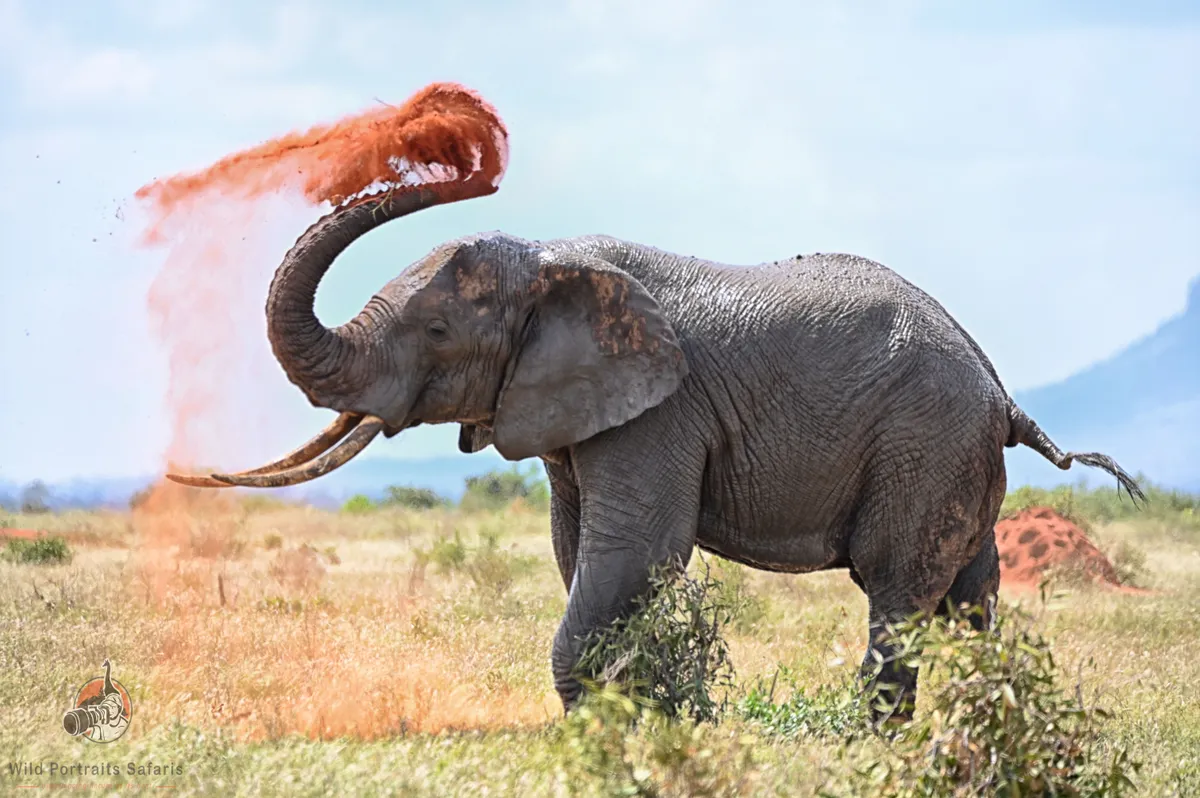
Savannah Elephants in Tsavo East are usually coated in red-orange dust due to wallowing and dust bathing in the area’s characteristic red soil.
Kenya's largest African Elephants
The term “Big Tusker” refers to an elephant with tusks so large they scrape the floor.
Satao was an African elephant that lived in Tsavo East National Park, one of the largest wildlife parks in the world with a large population of elephants. He was thought to have been born during the late 1960s and to have been at least 45 years old when he was killed. He was estimated to be one of the largest elephants in the world at the time of his death and has been described as one of Kenya's most iconic and well-known tuskers (i.e., male elephants with tusks that almost reach the ground). Satao's tusks were over 6.5 feet (2.0 m) long and he was estimated to be the largest of the few remaining tuskers living in Kenya. More than half of all of the remaining African big tuskers are in Kenya.
 Introduction
Tsavo East National Park is one of the oldest parks in Kenya, located South East of Kenya near the Town of Voi in the Taita-Taveta County formally known as the Coast Province, inland from the Coast, it is 13,747 km2. It’s situated in the semi-arid area of the famous Taru Desert. It borders the Tsavo West Nation al Park which was part of the Tsavo East National Park before the construction of the A109 road along with the railway lines that connects the interior of Kenya with the Coastal Areas. The Park is located in the south eastof the Kenya capital Nairobi, its 250 kilometres away from the city.
The famous Kenyan park is one of the Best Wilderness parks in the Country. It’s home to the Longest Plateau covering a distance of 300 kilometres. The Yatta Plateau is a key tourist attraction in Tsavo East national park.
Vegetation and Climate
Much of the area is level to undulating open grassland but along the perennial Athi, Tsavo and Galana rivers there are narrow fringes of riverine woodland and thicket that are dominated by River Acacia (Mgunga) (Vachellia elatior) and the Doum Palm (Hyphaene compressa), as well as stands of the shrub Suaeda (Suaeda monoica). Vegetation in the East is similar to the West but because of rainfall thickets tend to be denser, but there are extensive areas of open grassland, especially in the south. Around the Mzima Springs there are stands of Raphia Palm (Raphia farinifera) and Wild Date Palm (Phoenix reclinata).
February, March and June to October are generally dry months but recent records indicate this may be changing. Temperatures during the day high but evenings are generally mild to cool, with average maximum temperature of 310C and at night some 200C. The wet season runs from October into December and late March into May, with November and April being the wettest months. The annual average fall for West is 450mm.
Geography and Landscape
Unlike the hilly and wetter Tsavo West, Tsavo East is predominantly flat and characterized by semi-arid grasslands and savannah. The landscape is painted in hues of ochre and red dust, a distinctive feature resulting from the iron-rich soils. This "red earth" provides a dramatic backdrop to the wildlife encounters, particularly the famous dust-red elephants
Key geographical features of Tsavo East include:
- The Galana River: This vital water source meanders through the park, supporting a rich diversity of flora and fauna along its banks. The palm-shaded riverine vegetation offers a striking contrast to the open plains.
- The Yatta Plateau: Stretching for approximately 300 kilometres along the park's western boundary, this is the world's longest lava flow. Its elevated position offers panoramic views of the surrounding plains.
- Lugard Falls: Located on the Galana River, Lord Lugard, named after Lorg Lugard. These are not traditional waterfalls but rather a series of rapids cascading through bizarrely eroded rock formations. They are a haven for crocodiles and offer a dramatic spectacle.
- Mudanda Rock: This impressive 1.6-kilometer whale-backed rock acts as a natural water catchment, attracting large numbers of elephants and other wildlife, especially during the dry season.
- Aruba Dam: Built in 1952 across the Voi River, this artificial lake has become a crucial water source, drawing a multitude of animals and water birds, making it a prime game-viewing destination.
- Kanderi Swamp: Situated near the Voi Gate, this freshwater swamp provides another essential water source, particularly attractive to elephants and lions.
Flora and Fauna
Tsavo East is renowned for its abundant and diverse wildlife, earning it the nickname "Theatre of the Wild." The park is home to a significant population of the "Big Five" – the lion, leopard, elephant, rhino, and buffalo – although black rhinos are less frequently sighted.
Mammals
- Dust-Red Elephants: Tsavo East is famous for its large herds of elephants that coat themselves in the park's red soil, giving them a distinctive appearance.
- Maneless Lions: The park is also known for its population of lions, where the adult males often lack manes entirely, a unique adaptation to the local climate.
- Other Predators: Cheetahs, hyenas, jackals, caracals, and African wild dogs also roam the plains.
- Grazers and Browsers: Zebras, giraffes, waterbucks, lesser kudu, gerenuk, hartebeest, impalas, and various gazelles are commonly seen. The critically endangered Hirola antelope also finds refuge in Tsavo East.
- Hippos and Crocodiles: These aquatic giants thrive in the Galana and Voi Rivers, as well as in the Aruba Dam and Lugard Falls.
Tsavo East is a birdwatcher's paradise, boasting over 500 recorded bird species. The diverse habitats, ranging from grasslands to riverine forests and rocky outcrops, support a wide array of avian life, including: Ostriches, Kestrels and Buzzards, Starlings and Weaver Birds, Kingfishers and Hornbills, Herons and Egrets, Secretary Birds, Somali Ostrich, Somali Bee-eater, Taita Falcon, Vulturine Guineafowl and the Slender-tailed Nightjar
History and Significance
Prehistoric communities of hunter-gatherer peoples occupied the area from about 100,000 years before present but possibly earlier, where they are known to have occupied rock shelters along Galana River. The Kamba people moved south from the Mount Kenya slopes and occupied part of the Tsavo between 1,500 and 1,000 years before present. The modern people had mastered iron production and assimilated the hunter-gatherers. The dominant Maasai established themselves in the 18th century. Tribes living here during the time of establishment were the Maasai, Wakamba, Orma, Taita, Giriama and the Duruma. The Waata tribal group had been hunting elephants in the area and trading the Ivory long before the white man and his conservation plains. They used giant bows with a draw-weight of 77kg and poison-tipped arrows.
The first European known to have traversed the area of the Tsavo were the German missionaries Krapf and Rebmann in 1849, the discoverers of Mount Kilimanjaro and Kenya. Lord Lugard, after whom the Lugard falls are named, walked along the banks of the Sabaki/Galana rivers where he is said to have had his finger bitten by a crocodile. Here Joseph Thomson explored in the 1880s and was the first to describe the great Tsavo wilderness. The most noted historical incident here was when two man-eating Lion who had terrorized workers constructing the Mombasa to Nairobi railway, reportedly killing over 135 workers were finally by colonel Patterson, immortalized in his book (The Man-eaters of Tsavo) was first gazetted as a park in 1948.
Conservation Efforts
Over the years, Tsavo East has faced challenges such as poaching, particularly for elephants and rhinos. The Kenya Wildlife Service (KWS) has been instrumental in implementing conservation strategies, including anti-poaching patrols and community engagement programs, to safeguard the park's biodiversity.
Activities
Tsavo East offers a classic safari experience with various activities to immerse visitors in its natural wonders:
- Game Drives: The vast open plains make Tsavo East ideal for game drives, offering excellent opportunities to spot the diverse wildlife, including the iconic red elephants and maneless lions. Guided game drives, both during the day and at night, provide the best chances of encountering the park's inhabitants.
- Bird Watching: With over 500 bird species, Tsavo East is a haven for ornithologists and bird enthusiasts. The varied habitats ensure a rich diversity of sightings.
- Scenic Viewing: Landmarks like Mudanda Rock and Lugard Falls offer breathtaking panoramic views and unique perspectives of the landscape and wildlife.
- Camping: Several campsites within and around the park offer a more adventurous way to experience the African wilderness, with the sounds of the bush providing a memorable backdrop.
Plan Your Visit
· Best Time to Visit: The dry seasons (June to October and January to February) are generally considered the best times for wildlife viewing as animals congregate around water sources. Birdwatching is excellent during the wet seasons (November to May) when